Thionyl Chloride
SOCl₂ | CAS 7719-09-7
The gold-standard chlorinating agent for acid chloride synthesis, pharmaceutical intermediate production and battery electrolyte manufacturing. Available in Pharma, Electronic and Technical grades with full DG-compliant export packaging from India.
Hazard Warning — Reacts violently with water. Produces toxic HCl and SO₂ fumes. Handle under strict DG protocols. Full PPE mandatory.
CAS
7719-09-7
Formula
SOCl₂
MW
118.97 g/mol
Purity
≥ 99.5 %
BP
74–76 °C
UN
1836 / PG I
The Industry-Standard Chlorinating Agent
Thionyl Chloride (SOCl₂) is the most widely used reagent for converting carboxylic acids into their corresponding acyl chlorides. Its unique advantage lies in the fact that both by-products — sulphur dioxide (SO₂) and hydrogen chloride (HCl) — are gaseous and escape from the reaction mixture, yielding highly pure product without complex purification procedures.
This colourless to pale yellow fuming liquid is a cornerstone of pharmaceutical, agrochemical and fine chemical manufacturing. It is also critical in the production of Li-SOCl₂ primary batteries, where it serves as both the liquid cathode and the electrolyte solvent, delivering unmatched energy density for demanding applications in defence, aerospace and medical devices.
Chelora PharmaChem supplies Thionyl Chloride in three purity grades from our manufacturing partner network in India. Every consignment ships with comprehensive DG documentation compliant with IMDG, IATA and ADR regulations for safe global transport.
Physical & Chemical Properties
| IUPAC Name | Thionyl dichloride |
| Synonyms | Sulfinyl chloride, Sulfinyl dichloride, Sulfurous oxychloride |
| CAS Number | 7719-09-7 |
| Molecular Formula | SOCl₂ |
| Molecular Weight | 118.97 g/mol |
| Appearance | Colorless to pale yellow fuming liquid with pungent odour |
| Melting Point | −104.5 °C |
| Boiling Point | 74–76 °C |
| Density | 1.638 g/cm³ at 20 °C |
| Refractive Index | 1.517 |
| Vapour Pressure | 11.8 kPa at 20 °C |
Purity & Impurity Profile
| Purity (assay) | ≥ 99.5 % |
| Free acid (as HCl) | ≤ 0.1 % |
| Residue on evaporation | ≤ 0.01 % |
| Iron (Fe) | ≤ 10 ppm |
| Sulphate (SO₄) | ≤ 0.01 % |
Storage & Handling
Tightly sealed under dry inert gas (N₂); cool, well-ventilated area; protect from moisture at all times. Store away from water, alcohols and amines. Temperature below 30 °C.
Transport Classification
UN 1836 • Class 8 (Corrosive) • Subsidiary risk 6.1 (Toxic) • Packing Group I
Industrial & Pharmaceutical Applications
Thionyl Chloride is indispensable across pharmaceutical, agrochemical, dye and battery manufacturing — wherever efficient, clean chlorination is required.
Acid Chloride Synthesis
The PRIMARY reagent for converting carboxylic acids to acyl chlorides in pharmaceutical and agrochemical manufacturing. The clean reaction produces only gaseous SO₂ and HCl by-products, leaving the product pure without additional purification steps.
Chlorination of Alcohols
Converts hydroxyl groups (R-OH) to alkyl chlorides (R-Cl) efficiently, a critical transformation in the synthesis of active pharmaceutical ingredient (API) intermediates and fine chemicals.
Pesticide & Herbicide Manufacturing
Key chlorinating agent in crop protection chemistry — used in the production of herbicides, insecticides and fungicides where selective chlorination of intermediates is required.
Pharmaceutical Intermediate Synthesis
Extensively employed in the production of numerous APIs and drug intermediates, enabling efficient chlorination reactions across diverse therapeutic categories.
Dye & Pigment Manufacturing
Essential chlorination agent in dye chemistry, facilitating the introduction of chlorine atoms into aromatic intermediates used in high-performance colorants and organic pigments.
Lithium Battery Electrolyte
A critical component in Li-SOCl₂ primary (non-rechargeable) batteries, acting as the liquid cathode and electrolyte solvent, delivering high energy density for military, aerospace and medical devices.
Available Purity Grades
Three grades engineered for specific end-use requirements, from pharma synthesis to electronic-grade battery production.
Pharma / Synthesis Grade
≥ 99.5 %
API acid chloride synthesis, pharmaceutical intermediate production, fine chemical manufacturing
Request QuoteElectronic Grade
≥ 99.8 %
Battery electrolyte production (Li-SOCl₂), electronics manufacturing, semiconductor applications
Request QuoteTechnical Grade
DG-Compliant Packaging
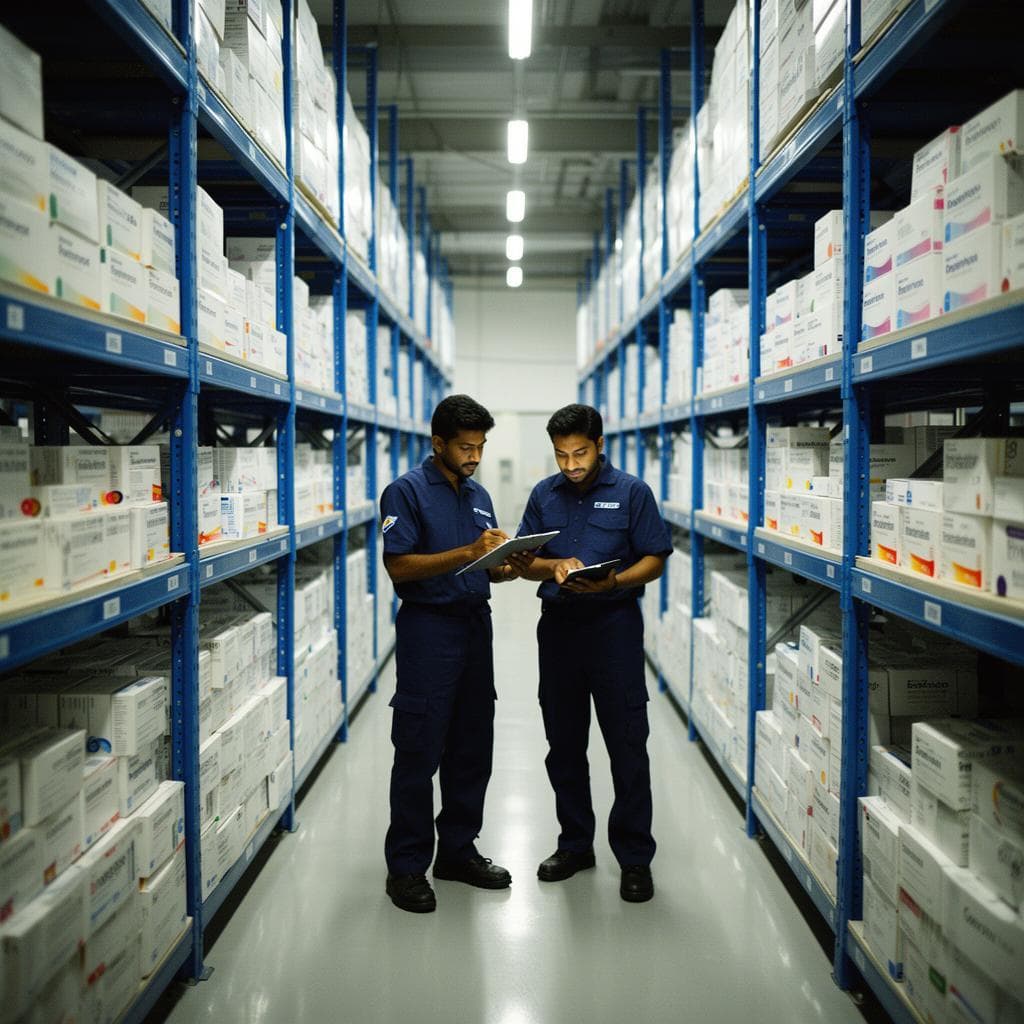
All Thionyl Chloride packaging is purpose-built for this Class 8 / 6.1, Packing Group I product. Steel drums are sealed under nitrogen and fitted with PTFE gaskets to ensure zero moisture ingress during storage and transport.
50 kg Steel Drums
MS drums with PTFE gaskets, sealed under nitrogen atmosphere for moisture protection
250 kg Steel Drums
Heavy-duty mild steel drums with PTFE-lined closures, DG-compliant for bulk industrial supply
Sample Quantities
Sealed glass ampoules under nitrogen atmosphere for laboratory evaluation and R&D trials
Quality & DG Documents
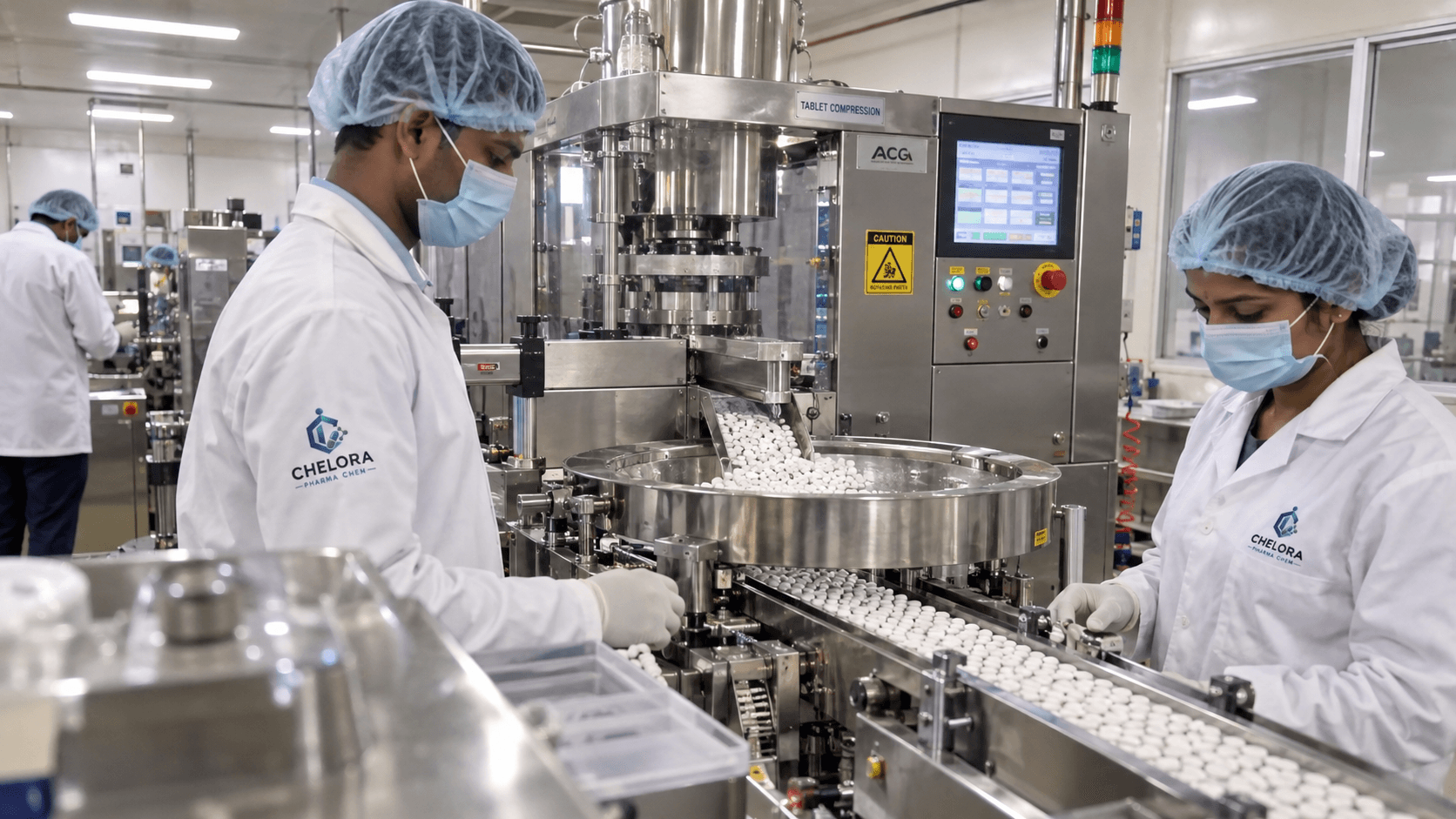
Every Thionyl Chloride consignment is accompanied by comprehensive quality and dangerous-goods documentation to support regulatory compliance, customs clearance and safe handling at your facility.
- Certificate of Analysis (COA)
- Safety Data Sheet (SDS)
- Specification Sheet
- Dangerous Goods Documentation (UN 1836)
- Transport Emergency Card (Tremcard)
Need documentation?
Contact us at source@chelorapharmachem.com or call +91 9819 111 179 for COA, SDS, spec sheets and DG documentation for your specific grade and batch requirements.
Critical Safety Precautions
Thionyl Chloride is classified UN 1836, Class 8 (Corrosive) with subsidiary risk 6.1 (Toxic), Packing Group I. Strict adherence to safety protocols is mandatory at all stages of handling, storage and transport.
Reacts violently with water — produces HCl and SO₂ fumes. Never expose to moisture.
Water Reactivity
REACTS VIOLENTLY with water — produces hydrochloric acid (HCl) and sulphur dioxide (SO₂) fumes. All equipment must be completely dry before use. Never expose to moisture under any circumstances.
Storage Requirements
Store in tightly sealed original steel drums under dry inert gas (N₂) blanket. Maintain in a cool, well-ventilated area away from direct sunlight. Keep away from water, alcohols, amines and oxidising agents.
Personal Protection
Full chemical-resistant suit, SCBA or approved respiratory protection, chemical splash goggles and face shield, and butyl or Viton gloves are mandatory when handling this product.
Spill Response
Do NOT use water. Contain spill with dry inert absorbent (dry sand, vermiculite). Provide maximum ventilation. Evacuate unprotected personnel. Notify emergency services immediately.
Transport Regulations
Classified as UN 1836, Class 8 (Corrosive) with subsidiary risk 6.1 (Toxic), Packing Group I. Full DG documentation, Tremcard and compliant labelling required for all shipments.
Incompatibilities
Incompatible with water, alcohols, amines, strong bases, alkali metals and oxidising agents. Store separately from all incompatible materials in a dedicated hazardous materials area.
Dangerous Goods Classification Summary
UN Number
1836
Class
8 (Corrosive)
Subsidiary
6.1 (Toxic)
Packing Group
I
Frequently Asked Questions
1Why is Thionyl Chloride considered highly hazardous?
2What purity grades of Thionyl Chloride does Chelora PharmaChem offer?
3How is Thionyl Chloride packaged and shipped?
4What is the primary industrial use of Thionyl Chloride?
5How should Thionyl Chloride be stored?
6Does Chelora PharmaChem export Thionyl Chloride?
Explore Our Product Range
Looking for a reliable pharma chemical supplier?
Share your requirements and receive a quote with specifications and documentation.