Gelatin (Pharma Grade)
CAS 9000-70-8 · Bloom 80–300 g · IP / BP / USP-NF
The gold-standard shell-forming excipient for hard and soft capsules, with proven applications in tablet coating, microencapsulation and surgical haemostasis. Chelora supplies Type A (porcine), Type B (bovine) and hydrolysed grades — all BSE/TSE compliant — with full batch documentation to IP, BP and USP-NF.
- IP / BP / USP-NF grades
- BSE/TSE compliant
- Samples to bulk
80–300 g
Bloom strength range
CAS number
9000-70-8
Bloom range
80 – 300 g
Pharmacopoeia
IP · BP · USP-NF
Transport
Non-DG
Product overview
From collagen to capsule shell
Gelatin is a purified protein obtained by the partial hydrolysis of collagen derived from animal skin, bone and connective tissue. It is one of the oldest and most thoroughly characterised pharmaceutical excipients, with a continuous pharmacopoeial history spanning more than a century.
Two main types are distinguished by their manufacturing process. Type A gelatin is produced by acid treatment of porcine skin, yielding a product with a high isoelectric point (pH 7–9). Type B gelatin results from prolonged alkaline (lime) treatment of bovine bone and hide, giving a lower isoelectric point (pH 4.7–5.3). The choice of type affects charge behaviour, film clarity and compatibility with certain formulation excipients.
Gelatin's defining property is its ability to form thermo-reversible gels: it dissolves in warm water above approximately 40 °C and sets into an elastic gel on cooling. This gel-forming behaviour underpins its role as the primary shell material for both two-piece hard capsules and one-piece soft gelatin (softgel) capsules — together accounting for the majority of oral solid dosage units manufactured globally.
Beyond capsule manufacture, gelatin serves as a tablet-coating and binding agent, a wall material in coacervation microencapsulation, a matrix for absorbable haemostatic sponges and wound dressings, and the gelling agent in confectionery (gummy vitamins, marshmallows). Hydrolysed (low-Bloom) grades are valued for their binding properties in wet granulation without the high gel strength that would impede disintegration.
Technical specifications
Applications & end uses
Industries that depend on Gelatin
Hard capsule shell (Type A & B)
Gelatin is the primary shell-forming material for two-piece hard capsules (e.g. size 00–5). Type A and Type B gelatins at Bloom 200–300 produce shells with the elasticity, clarity and dissolution performance required by pharmacopoeias worldwide.
Soft gel capsule shell
Soft gelatin (softgel) capsules use plasticised gelatin films to encapsulate liquid or semi-solid fills. Bloom strength, viscosity and moisture control are critical to seamless capsule manufacture on rotary-die equipment.
Tablet coating & binding agent
Low-Bloom and hydrolysed gelatins serve as wet-granulation binders and tablet-coating film formers, improving tablet hardness and providing a smooth, glossy finish that aids swallowability and taste masking.
Microencapsulation wall material
Gelatin’s coacervation properties make it the excipient of choice for complex coacervation microencapsulation of flavours, fragrances, actives and phase-change materials in pharma, food and personal-care products.
Wound dressing & haemostatic sponge
Cross-linked gelatin sponges (e.g. Gelfoam) are absorbable haemostats used in surgery to control bleeding. Gelatin-based wound dressings promote moist healing and are biocompatible and biodegradable.
Food & confectionery (gummies, marshmallows)
High-Bloom gelatin is the gelling agent behind gummy vitamins, marshmallows, jelly confections and dairy desserts. Its thermos-reversible gel, mouthfeel and foam-stabilising properties are difficult to replicate with alternatives.
Available grades
Type A, Type B and hydrolysed grades
All bovine-origin (Type B) grades comply with EDQM CEP and EMA/410/01 rev. 3 guidelines for TSE safety. Halal certification is available on request for qualifying bovine grades.
Bloom 200–300
Type A (acid-treated, porcine)
Hard & soft capsule shells, confectionery
Bloom 150–250
Type B (alkali-treated, bovine)
Hard capsules, tablet coating, sponges
Bloom 80–120
Hydrolysed / low-Bloom
Wet granulation binder, microencapsulation
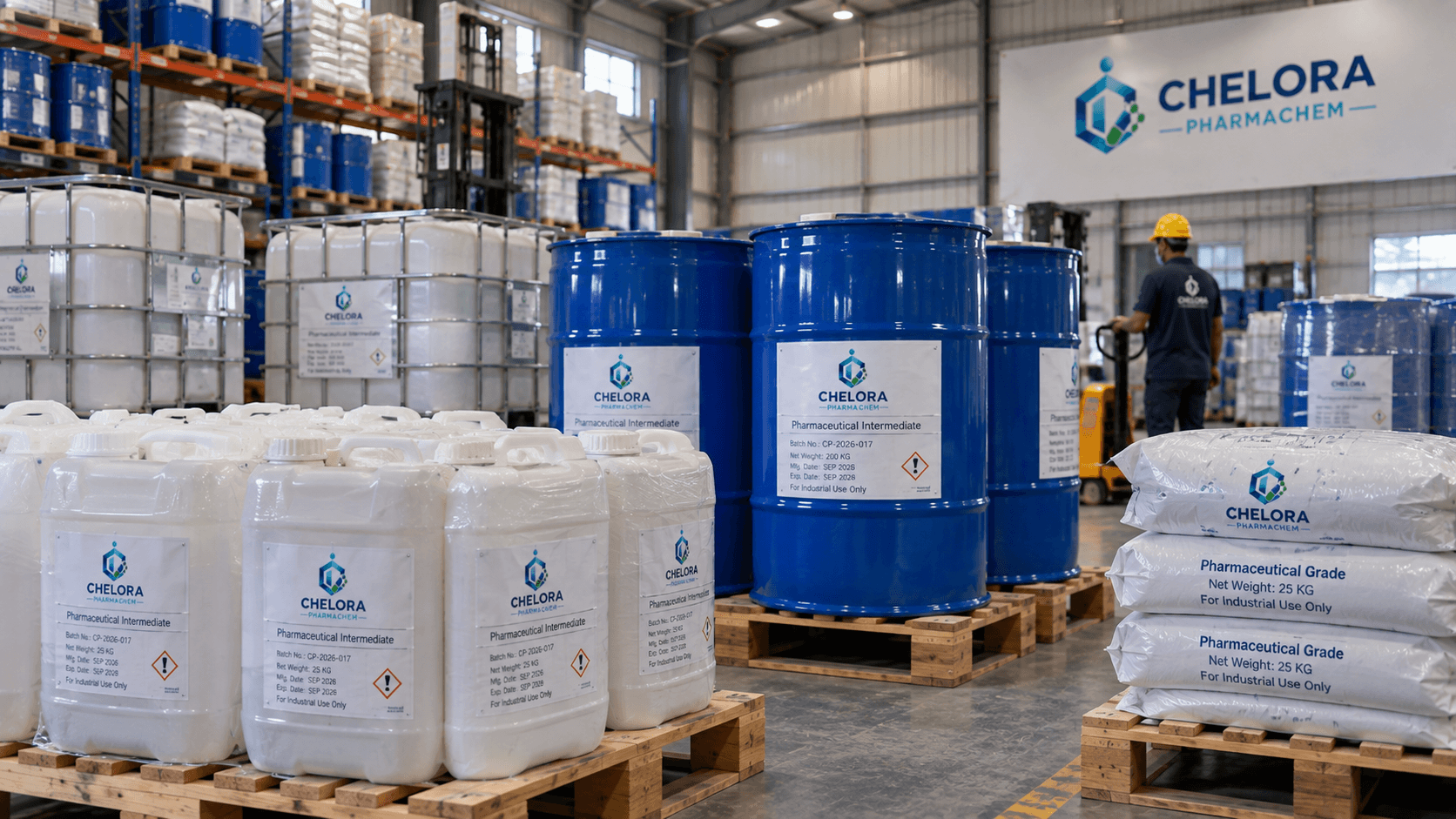
Packaging options
Sealed and labelled to pharmacopoeia standard
25 kg bag — Multi-layer paper bag with PE liner
Standard pharmaceutical unit
50 kg bag — Multi-layer paper bag with PE liner
Bulk formulation supply
Sample — Sealed HDPE container
QC evaluation before commitment
Documentation supplied
Complete paperwork for QC and regulatory
Certificate of Analysis (COA)
Batch-specific results for Bloom strength, viscosity, pH, moisture, ash, SO₂, heavy metals and microbial limits.
Safety Data Sheet (SDS)
GHS-format, 16-section SDS covering handling, first aid, fire-fighting and disposal.
Specification sheet
Limit values for each test parameter aligned to IP, BP or USP-NF monograph.
BSE/TSE compliance certificate
EDQM Certificate of Suitability (CEP) confirming TSE safety of bovine-origin grades.
Frequently asked questions
Common questions about Gelatin
What is the difference between Type A and Type B gelatin?+
Is bovine-origin gelatin safe regarding BSE/TSE?+
Which Bloom strengths are available?+
Can gelatin be used in vegetarian or halal formulations?+
What pharmacopoeia standards does Chelora gelatin meet?+
What is the typical lead time for a bulk gelatin order?+
Related excipients
Other pharmaceutical excipients from Chelora
Looking for a reliable pharma chemical supplier?
Share your requirements and receive a quote with specifications and documentation.